Staying Safe In Resort

We’ve all been at the airport and seen people being wheeled through security or hobbling through the departure lounge on crutches…this doesn’t have to be you!! I’m not saying that you can 100% prevent an injury whilst on a ski holiday because … you can’t. BUT you can at least reduce the risk by taking a few simple steps.

HELMET

Wear a helmet…you may be the best skier in the world and never fall over, but you can’t control the people around you. At least you stand a chance if you have a helmet on and you get wiped out.

BOOTS!

Make sure you get your boots fitted by someone who is suitably qualified and take your time in making sure they are definitely the right boots for you. PLEASE don’t buy them online!! If your boots are too big or not done up tight enough and you fall over your bindings might not release! This is when injuries (particularly knee injuries) occur.  

SKIS

-BINDINGS!
The whole point of ski bindings is that they release when you fall over. This is one of the reasons they ask your weight and ski ability when fitting you with skis. Be honest…If you are a beginner…tell them you are a beginner. The tighter the binding the more force it will take for the ski’s to come off. If you fall over, you want your ski to come off straight away…you don’t’ want it falling off after you’ve fallen 100 metres down the slope and ruptured both ACL’s!!

-EDGES

Getting your edges sharpened can make a huge difference! Especially in Icy conditions. If you’re edges aren’t in good condition, you can’t dig them into the ice…you’re then much more likely to slide over and … Hello Broken wrist!!

SKI TO YOUR ABILITY

Ski the slopes that suit your ability…if you’ve only ever skied once in your life, its probably not advisable to head straight to the steepest black mogul run in resort on the 1st day! (Especially after an afternoon spent drinking and dancing on the tables at the Folie Douce!!!!)

CONDITIONS

Be wary of conditions! 1 slope can be completely different in the morning to the afternoon and you need to be able to adjust to this.

Icy? Dig your edges in and don’t try to stop on an icy patch!!

Slushy? Tighten up your boots – if you catch an edge you want your bindings to come off!

Poor visibility? Stick to tree runs – visibility will be better and generally speaking…If you can see where you’re going you’re less likely to crash and injure yourself.

TIREDNESS      

Majority of accidents happen towards the 2nd half of the week and in the afternoon. People are getting tired; they’re getting up early skiing all day and staying up late drinking/socialising. Take a rest day if you’re feeling tired or achy.

ALCOHOL

Drinking seems to be a big part of the ski culture in the Alps! Even the most experienced of skiers are much more at risk of injury after they’ve had a few drinks! Save your après until your safely off the mountain and you don’t have to ski back…OR just get the lift down!! Also…watch out for other drunk skiers!!! Worth bearing in mind your insurance will be void if you’ve got alcohol in your system as well! 

OTHER PEOPLE

Unfortunately most injuries are as a result of colliding with another skier! Generally speaking the rule of thumb is ‘Give way to the downhill skier’…however my advice would be; Be aware of everyone around you, don’t take it for granted that the person behind you is keeping an eye on where you are going.

  • Try to keep your turns predictable – don’t suddenly change direction without checking there’s no one behind you
  • Try not to stop suddenly in the middle of the slope

WHERE TO STOP?

Never stop below the brow of a hill or on a corner – people won’t be able to see you and won’t have time to stop once they have seen you!  

Never stop on a narrow bit of piste – its not only dangerous … its annoying!! Wait until you get to a nice wide bit of piste where you can stop at the side of the run out of the way!

Never stop in the middle of the slope – again its annoying and you are very likely to get hit!

Most importantly, have an amazing (injury free) holiday!!

What Do Osteopaths Treat?

There is a common misconception that osteopaths just treat backs! This is not the case at all! Yes, we do treat backs and it is probably one of our most common presentations. But we also treat a wide variety of other injuries and symptoms. 

Sports Injuries!

Tendonitis 

Tennis Elbow / Golfers Elbow

Plantarfasciitis

Sports Injury

Shin Splints

Muscles strains

Ankle and wrist sprains

Shoulder impingements

Rotator cuff injuries

Knee pain

Hip impingements

Post operative rehab e.g. ligament repairs

Pregnancy Related issues

Pubis symphysis pain

Sacroiliac joint dysfunction

Low back pain

Postural Related Issues

Neck pain

Headaches

Low back pain

Shoulder pain

Age Related Issues

Osteoarthritis

‘Wear and tear’

Spondylosis

Disc degeneration

Post operative rehab (e.g. joint replacements)

Back Related Issues

Low back pain

Nerve impingement

Neck pain

Rib pain

Sacroiliac joint dysfunction

Whiplash

Our osteopaths will perform an in-depth examination, work out exactly what it is that’s causing the symptoms and then develop a specific treatment plan. They will advise you on any rehabilitation exercises that may be of use and answer any questions you may have!

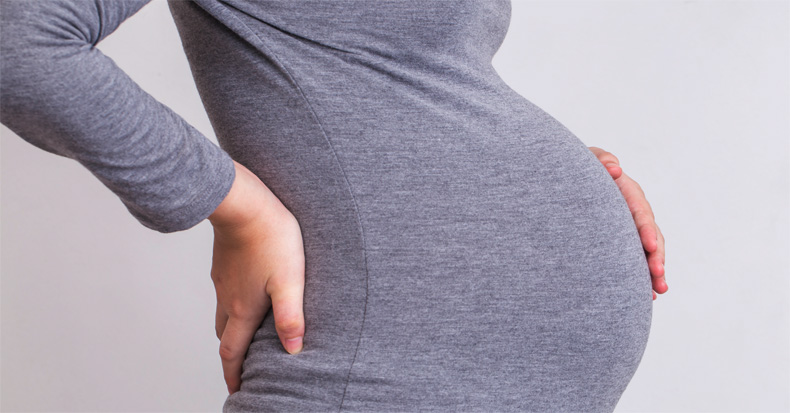
What causes Low Back Pain during pregnancy?

Low back pain is a common complaint during pregnancy and there are a couple of different reasons for this.

Relaxin is a hormone produced by the ovaries, the placenta and the lining of the uterus. It’s 10 times higher during pregnancy and remains elevated for up to 5 months after giving birth and even longer if breast feeding!

Relaxin relaxes ligaments in the pelvis to allow for pelvic expansion during delivery, it also allows the abdominal muscles to stretch and the ribcage to expand as the baby grows.


Although it plays a really important role in pregnancy it can contribute to various aches and pains.
As I said above relaxin has a big effect on the joints and ligaments of the pelvis; particularly the sacroiliac joints.

If the sacroiliac joints begin to move unevenly this will alter the biomechanics of the pelvis and low back and can lead to pain and discomfort. If this isn’t addressed this can then lead to other compensatory mechanisms which then lead to further symptoms.


Another factor that contributes to low back pain is the postural changes that occur as the baby grows. The bigger the baby gets, the bigger your bump gets, this then alters your posture and centre of gravity which can then lead to various ailments. One thing we see a lot is ‘facet compression’. As your bump grows, your lumbar lordosis (the curve of your lower back) becomes more exaggerated. This can then compress the facet joints and makes them more vulnerable to injury and irritation. The muscles can then go into spasm to try and protect the area which can exacerbate the symptoms.


By working on the joints and muscles of the back, pelvis and hips we can help alleviate symptoms. Our osteopaths will also be able to provide lots of tips and tricks to help keeps those symptoms at bay.

Preparing for your ski holiday!

It might only be October…but it’s never too early to start getting excited about the ski season!! Now’s the time to get yourself prepared for your trip. Whether you’ve been skiing since you could walk or its your first time, there are definitely steps you can take to reduce the chance of injury and make the holiday more enjoyable (and less exhausting!)

The 4 main area’s you need to address are: 

  1. Strength
  2. Flexibility and mobility
  3. Proprioception (balance)
  4. Aerobic fitness


Strength!

Its time to start working on those leg muscles. The stronger your quads, glutes and hamstrings are the easier you’re going to find it when you get on the mountain. Not only will this help stop that horrific thigh burn you get after a steep mogul field… it can also reduce your chance of injury.


Flexibility and Mobility

If you do fall over whilst skiing, the more flexibility you have the less likely you are to strain or tear something. Improving your mobility can also help the efficiency of your skiing and prevent overuse injuries. Get yourself into a regular stretch routine; concentrating on hamstrings, glutes, hip flexors, quadriceps, calves and thoracic and lumbar mobility or find yourself a local yoga class!


Proprioception

Proprioception is the awareness of your body and where it is in space. We talk a lot about proprioception in the rehabilitation of various injuries, particularly knee and ankle injuries.

When you’re skiing, proprioception and balance is so important!! Your body needs to be able to adjust to any unexpected lumps, bumps or changes in terrain! Every single turn your body is working hard to keep you upright!! If your balance and proprioception is poor, you’re going to really struggle to stay upright on your ski’s!!


Aerobic Fitness

If you are generally ‘fitter’ you won’t fatigue quite so much, you’ll be able to ski further, faster and for longer without struggling. Not only does this reduce your risk of injury it also allows you to make the most of your holiday. So go out for a jog, swim, cycle or long walk – it will improve your holiday!!


If you have any questions or would like to speak to 1 of our osteopaths get in touch via email info@hertspainandinjury.co.uk  or give us a call on 07766569368.


Facebook: www.facebook.com/hertspainandinjury

Instagram: @hertspainandinjury