Choosing the right trainer for you!

There are so many trainers out there to choose from, it can become a bit of a minefield when looking to buy a new pair.

I’ve put together some ideas and advice for you to think about;

 What are you going to be using them for?

Running? Weightlifting ? CrossFit? Walking? Tennis?

Each shoe is designed with something in mind; a running shoe, typically isn’t the best shoe to be wearing in the gym for weightlifting or CrossFit style training.

For training in the gym, you want a nice stable heel, a bit of a heel drop and not too much cushioning. This gives you a nice stable base. Whereas for running, particularly long distances, you may want something with a little more cushioning.

Do you have any pre-existing injuries or issues?

Existing injuries should be taken into account when choosing your shoes.

For example;

  • If you have a history of Achillies issues, shoes with a zero heel drop probably aren’t the most suitable due to the extra strain on then tendon.
  • If you’re suffering with a painful big toe, a slightly stiffer shoe might be more appropriate to prevent excess strain through the joint.
  • Do you suffer with osteoarthritis in the knees? A shoe with more cushioning may give you a bit more shock absorbency for your knees.

 Do you have particularly wide or narrow feet?

Different brands come up in different sizes to suit the various foot shapes. If you have a slightly wider foot, you need to accommodate this. Don’t try to squeeze into a pair of trainers just because you like them (I’ve definitely been very guilty of this in the past!).

Altra’ running shoes are great for people with wide feet, they have a really wide toe box to allow for splaying of the feet when you run!

 What sort of surfaces are you running on?

Are you running on road, on rough trails, on grass, on a treadmill? All of these factors should be considered when choosing a shoe!

 What sort of distance are you running?

This will potentially impact your choice; you may be quite comfortable in a light minimal shoe for short distances but as you increase your distance you might find you need something a little more supportive.

 Should you get your gait analysed?

If your planning on running, I would say yes! If you’re looking for more of a ‘gym’ shoe Its not necessary!

There are a few things you should bear in mind when;

  • Make sure it’s by someone who knows what they are doing. A lot of running shops provide gait analysis but it’s not always by someone experienced.
  • Make sure they’re looking at your feet, ankles, knees and hips when you’re running. Not just your feet.
  • Try to ensure the shop sells a variety of brands. Certain brands are better for different people so you want to have some different options.

 

Is Running Bad for Your Knees? Andy Glenn

“Running is bad for your knees”

This is a statement I hear all the time, one that has developed with no real evidence. If you are of healthy weight, have healthy knees and are not subject to osteoarthritis then there is nothing to back up that running will cause osteoarthritis in your knees. Sure, there are risks of injury through running, but this is also true of swimming, cycling, weight lifting and of course… being inactive. The knees are the most prone area to injury in runners but there are ways we can reduce this risk. Build the points below into your regime to help minimise the risk of injury during your running journey.

Strength Training

Running is a whole body exercise, strengthening your legs, hips, back and abdominals can improve your running stride and delay fatigue. Variations of squats, deadlifts and lunges are fundamental exercises to factor into your strength training and with good technique will strengthen your legs, core and back. Many knee injuries can be linked to weak or imbalanced muscles, often coming from the hips. Isolating the glutes with exercises such as glute bridges and clams help stablise the hips and knees and therefore reduce the risk of injury.

Periodisation

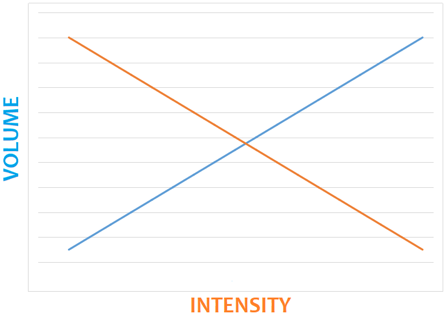
Your running schedule should not be the same all year round, periodising your training will improve your speed, strength, power, aerobic capacity etc, reduce the risk of injury and will keep it interesting. Structure your training into 4-8weeks blocks each with a different focus to improve your training. Starting with a base foundation fitness and muscular endurance is a good place to start before moving onto strength and power stages. There is an inverse relationship between volume and intensity, meaning that when one increases, the other decreases. During strength and power phases the intensity of your training will be very high but the volume will need to drop to allow your body to recover and get the most from your sessions. As you are starting to build your distance up and endurance becoming the key focus, the intensity will drop.

Below is the most basic chart you will find on the relationship between intensity vs volume.

Treatment

Self Treatment – Stretching, self massage, mobility training

These are all things you can do yourself at home. Stretching can be done in front of the TV in the evening to improve any extra tight muscles you have, more importantly you need to be doing dynamic stretches before you train to warm the muscles up, and stretches after training to help return muscles back to their original length before your session. (Check out our free 5km running plan on our homepage for some pre and post running stretches).

If you have any knots or tight muscles, applying some pressure to the area can help alleviate these. If you aren’t sure what you are doing, ask a professional for some advice.

If you are not moving correctly the risk of injury is greatly increased… performing some moves in the gym or at home to help mobilise joints and muscles can greatly reduce the risk of injury.

Professional Care – Sports Massage, Osetopathy, Physiotherapy, Coaching

Living with pain should not be normality (sore muscles after a workout is allowed) if you are suffering with muscle or joint pain, get checked out by an osteopath or physiotherapist and get the problem sorted. Life and training will be much more fun if you aren’t in pain!

I recommend our friends at Herts Pain & Injury Clinic who I see regularly to keep me in check and injury free!


Regular sports massage will help muscles recover and work out any knotted or tense muscles that have tightened up. Pre and post race massages are also great to ensure you go into your race as prepared as possible and recover faster!

Having a professional coach to structure your training can prevent you from over training, make you stronger, faster, fitter and ultimately help you enjoy your target race! Want to have a chat about how a coach could help you with your running? Contact Us now and we can see if our coaching style is suited to you!

Written by Andy Glenn

Top Tips to avoid running injuries!

Sports Injury

Top Tips to avoid running injuries!


Follow a structured training programme.

Find yourself a proper training programme that increases the distance gradually over time. This should include a variety of running sessions and rest days. Rest days are just as important as the run days. We work closely with a highly experienced running coach at Finishing Line and would highly recommend them!


Stretching and mobility work

It’s important to work on your mobility and flexibility, some people prefer to just do their own stretching others prefer going to regular yoga sessions! Whichever works best for you.


Strength training

Try and incorporate some strength training into your programme. The stronger you are the more resilient to injuries you will be.


Stop if you get a niggle – don’t train through an injury

You’re better off missing a few sessions and getting an injury looked at rather than working through the pain and causing yourself more damage.  A niggle can very quickly turn into a full blown injury.


Regular sports massage

Sports massage can improve your recovery rate, mobility and general performance! A good therapist can also pick up any underlying issues that might not necessarily be causing any pain before it becomes an issue!


Suitable footwear!  

Its important you buy shoes that are suitable for your feet and running style. Find yourself a specialist running shop that accesses your gait and advises on which shoes are best suited to you.